
Why You May Hear Clicking Inside Your Walls (Explained by a Termite Professional)
Most people assume termites are completely silent pests.
But one of the most surprising facts homeowners learn during inspections is this:
👉 Termites can actually make audible sounds.
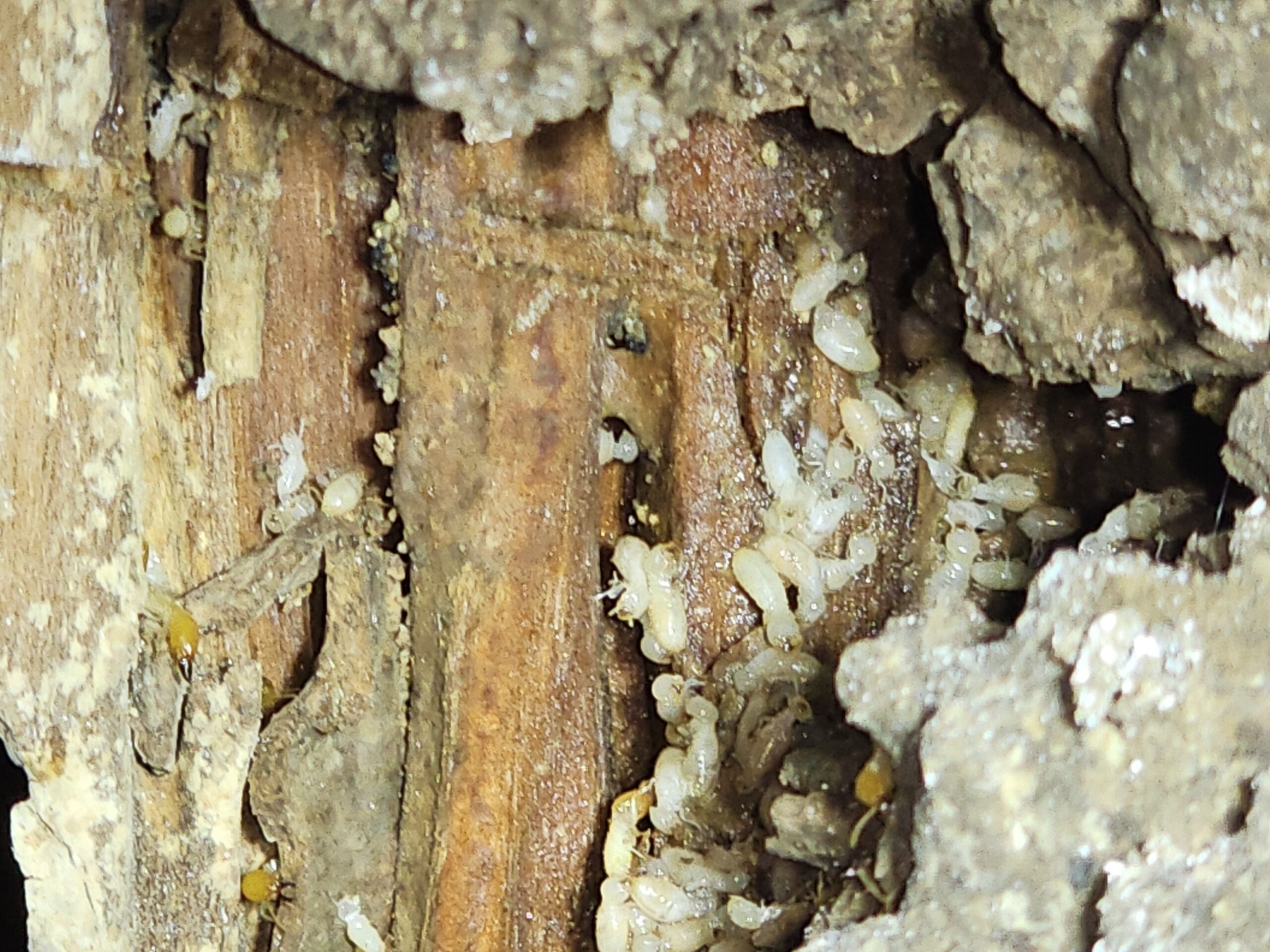
In some cases, the noises inside a wall cavity or timber frame are not pipes, settling timber, or electrical wiring — they can be an active termite colony communicating.
Understanding why termites make sound helps explain what may be happening inside your home long before damage becomes visible.
Do Termites Make Noise?
Yes — termites produce vibrations and sounds as part of normal colony behaviour.
Unlike mammals or birds, termites do not have vocal organs.
Instead, they communicate using mechanical vibration transmitted through timber and soil.
These vibrations may sometimes be heard by humans as:
- faint clicking
- light tapping
- dry rattling
- soft rustling inside walls or skirting boards
Most activity remains too quiet for people to notice, but large colonies or disturbed termites can become audible.
The Clicking Sound: Soldier Termites Sending an Alarm
The most recognisable termite noise is a rapid clicking or tapping sound.
This is not feeding.
It is defensive communication.
Inside every mature termite colony are specialised insects known as soldier termites. Their primary role is colony defence.
When the colony detects vibration — such as footsteps, knocking on timber, drilling, or inspection activity — soldier termites respond by:
- Lifting the front of their body
- Striking their head against the tunnel wall or timber surface
- Repeating the movement rapidly
Each impact creates a vibration wave that travels through wood and galleries.
Other termites sense these vibrations through receptors in their legs and immediately react by:
- retreating deeper into tunnels
- sealing openings
- increasing defensive behaviour
In biological terms, this behaviour is called vibrational alarm signalling.
Because timber transmits vibration extremely efficiently, hundreds of soldiers signalling at once can produce a sound humans perceive as clicking.
Why Termites Use Vibration Instead of Sound
Termites evolved to live in darkness.
Inside soil, timber, and wall cavities:
- vision is useless
- airflow is limited
- chemical signals travel slowly
Vibration, however, travels instantly through solid material.
For termites, timber functions like a communication cable running throughout the colony.
Research into termite behaviour shows that vibration allows colonies to coordinate survival responses within seconds without exposing individuals to predators.
In simple terms:
👉 They are “talking” through the structure of your house.
Which Termites Commonly Produce Clicking Sounds in Queensland?
In Southeast Queensland, audible termite activity is most often associated with subterranean termite species.
The species most frequently encountered during inspections include:
- Coptotermes species — highly destructive structural termites
- Schedorhinotermes species — aggressive defenders with strong alarm responses
These termites maintain large colonies containing dedicated soldier castes capable of producing strong vibrational signals.
Homeowners occasionally report hearing sounds shortly after tapping a wall or when a room becomes quiet at night — a classic defensive response triggered by disturbance.
Other Sounds Termites May Produce
Feeding Activity
Worker termites consume timber continuously.
Large numbers feeding together may create a faint rustling or papery sound caused by mandibles scraping wood fibres.
Swarming Season Noise
During warmer months, reproductive termites leave the colony to establish new nests. Wing movement and attraction to lights can sometimes produce buzzing or fluttering sounds indoors.
Structural Vibration
Heavy termite activity can slightly alter how timber resonates, making normal house noises sound different or more hollow.
Why Termite Sounds Are Often Heard at Night
Many clients report noticing termite noises after dark.
This is usually because:
- household background noise decreases
- human hearing becomes more sensitive in quiet environments
- cooler temperatures improve vibration transmission through building materials
The termites are not becoming more active — they were likely active the entire time.
Important: Not Every Clicking Noise Means Termites
Several things can mimic termite sounds, including:
- timber expansion and contraction
- ants nesting in walls
- rodents moving through cavities
- plumbing movement
- external insects entering wall voids
Sound alone is never a confirmed diagnosis.
Professional inspection tools — moisture meters, sounding techniques, thermal imaging and experience — are required to confirm activity.
A Field Observation From Termite Inspections
During inspections, technicians sometimes demonstrate termite alarm behaviour by gently tapping suspected timber.
When termites are present, a brief burst of clicking may occur and then suddenly stop.
This happens because soldiers signal danger, and workers immediately withdraw deeper into protected galleries.
It is one of the few moments when a hidden colony briefly reveals itself acoustically.
Why Hearing Termites Can Be a Serious Warning Sign
Termites are cryptic insects designed to remain undetected.
If activity becomes audible, it can indicate:
- an established colony size
- significant internal tunnelling
- long-term feeding within structural timber
Because termites eat wood from the inside outward, damage may already exist even when surfaces appear intact.
Termite Activity in Brisbane Homes
Queensland’s warm, humid conditions allow termites to remain active year-round.
Risk factors commonly seen in local properties include:
- concealed slab edges
- landscaping contacting structures
- moisture accumulation
- ageing or disrupted termite barriers
Regular inspections remain the most reliable way to detect activity before costly repairs are required.
When You Should Arrange a Termite Inspection
Consider a professional inspection every 12 months at least or if you notice:
- clicking or tapping in walls
- hollow-sounding timber
- unexplained wall movement
- mud shelter tubes
- flying termites indoors
Early detection significantly reduces structural damage and treatment costs.
Final Answer: What Sound Do Termites Make?
Termites do not vocalise, but they communicate through vibration.
The clicking sound sometimes heard in walls is typically caused by soldier termites striking their heads against tunnel surfaces to warn the colony of danger.
It is one of nature’s most sophisticated insect communication systems — and occasionally one of the earliest warning signs inside a home.